Applications: Bulking sludge & foam
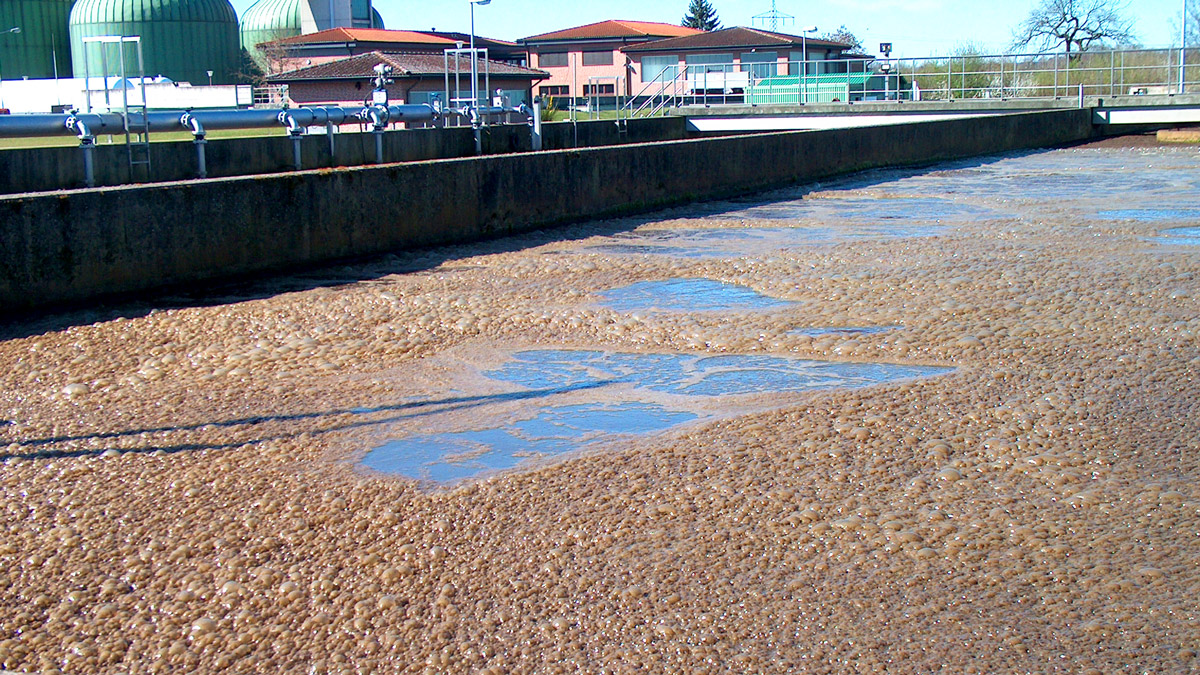
The formation of bulky sludge and foam due to the massive growth of filamentous microorganisms is a widespread problem in wastewater treatment plants. Foam formation often occurs as a separate phenomenon in the digester as well.
Continuous ultrasonic treatment of a small portion of the return sludge creates sustained stress on the active activated sludge biomass.
As a result, the filamentous microorganisms are permanently eliminated.
Seasonal sludge bulking problems frequently occur in wastewater treatment plants.
Filamentous organisms are usually the cause.
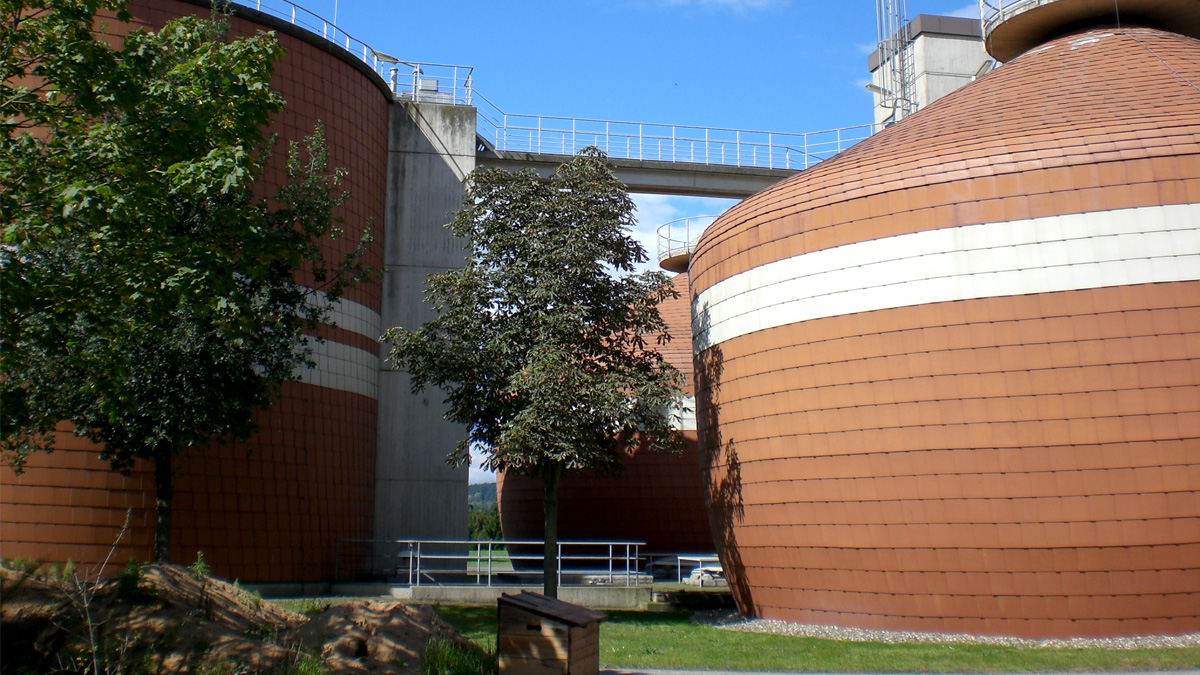
Foam formation in digesters is also a known issue and can lead to significant operational problems.
By subjecting a small portion of the return sludge or recirculated excess sludge to ultrasonic treatment, this bacterial biomass is exposed to continuous stress caused by cavitation and alternating pressure in the liquid medium.
Ultrasonic treatment has demonstrated that this process is particularly harmful to filamentous microorganisms, thereby permanently eliminating them. This prevents sludge bulking and enables stable operation of the wastewater treatment plant.